
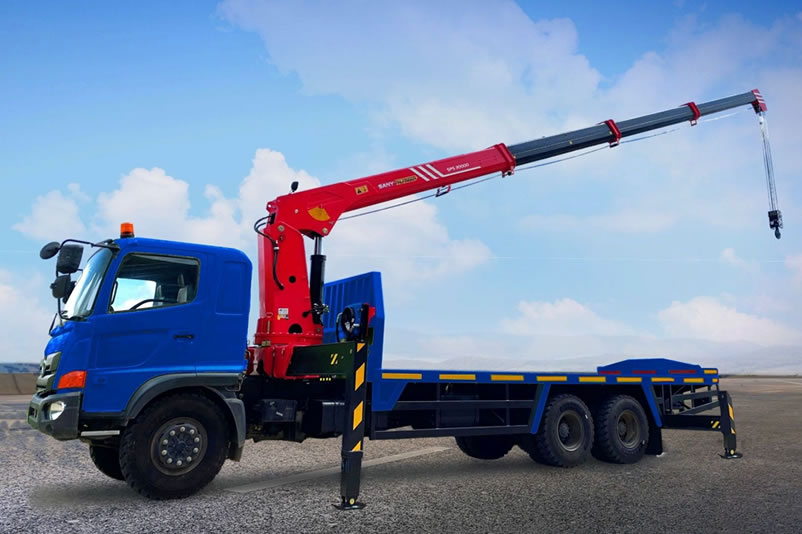
Cranes are one of the most critical assets in construction, logistics, manufacturing, and energy industries. Even minor issues within a crane system can directly impact project productivity, workplace safety, and operational cost efficiency.
Understanding the common causes of crane failure is essential to prevent unnecessary downtime and extend the lifespan of the equipment. Below are some of the most frequently encountered factors in the field:
1. Overloading
Lifting loads beyond the manufacturer’s recommended capacity is one of the leading causes of structural damage in cranes. Overloading places excessive stress on the boom, wire rope, hydraulic system, and structural frame.
Over time, this can lead to permanent deformation, micro-cracks, and even lifting system failure—posing serious safety risks.
2. Lack of Routine Maintenance
Missed or irregular maintenance often allows minor issues to go undetected. Worn hydraulic seals, loose bolts, or contaminated oil can develop into major problems if not addressed promptly.
Preventive maintenance is not just a routine requirement—it is an investment in maintaining performance, stability, and long-term reliability.
3. Operating Conditions and Environment
The working environment significantly affects crane durability. Dusty environments can accelerate wear on mechanical components, while corrosive conditions—such as coastal areas—can speed up rust formation on metal structures.
Additionally, intensive operating cycles without sufficient rest periods can accelerate the degradation of hydraulic and mechanical systems.
4. Operator Error (Human Error)
Human factors remain one of the most common causes of crane issues. Improper operation, aggressive movements, or lack of pre-use inspection can damage both mechanical and hydraulic systems.
Proper operator training and consistent implementation of standard operating procedures (SOPs) are key to minimizing these risks.
5. Age and Natural Wear
Every crane component has a limited service life. Over time, the performance of hydraulic systems, bearings, seals, and structural components will naturally decline. Without timely replacement or overhaul, this natural wear can develop into serious issues that impact both safety and productivity.
Crane failures rarely occur suddenly; they are usually the result of accumulated factors over time. By understanding these causes, companies can implement effective preventive maintenance strategies, routine inspections, and proper operational practices. The right approach not only ensures workplace safety but also maintains optimal and efficient operations in the long run.
Trust Your Crane Service to Professionals
Crane maintenance and repair require experienced technicians, proper tools, and strict adherence to safety standards. Professional service does not only fix existing issues—it also helps sustain operations, improve safety, and maximize the value of your equipment investment.
Ensure your crane is always in optimal condition, because safety and productivity start with well-maintained equipment. Don’t wait until minor issues turn into major failures that disrupt your project progress.
???? Contact FNF Trans Niaga Service Hotline today
???? FREE consultation for inspection, maintenance, and crane repair
???? Schedule your service now to keep your equipment always readyFNF Trans Niaga — Your Professional Heavy Equipment Service & Maintenance Solution.

