

In the heavy equipment industry, particularly in crane operations, the hydraulic system is a critical component that directly impacts performance, efficiency, and reliability. As the heart of the crane, it generates and controls the power required for lifting, movement, and overall operational responsiveness, ensuring smooth, precise, and dependable performance across a wide range of working conditions.
What Is a Hydraulic System?
A hydraulic system uses pressurized fluid to transmit power from the hydraulic pump to various actuators and control components. In crane applications, hydraulic power enables operators to lift, move, and position heavy loads with precision, stability, and controlled force.
By converting mechanical energy into hydraulic energy and back into mechanical motion, the system delivers high power output within a compact and efficient design. This capability makes hydraulic systems ideally suited for heavy lifting operations and other demanding crane applications where power, accuracy, and reliability are essential.
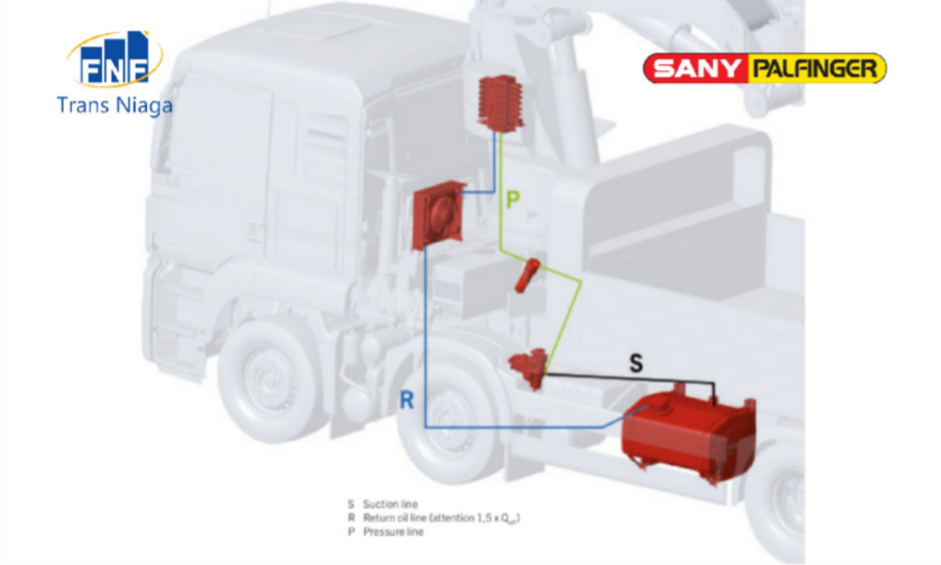
Key Components of a Hydraulic System
- Hydraulic Pump
Converts mechanical energy into pressurized hydraulic oil flow, providing the power source for the entire hydraulic system.
- Reservoir (Tank)
Stores hydraulic oil, helps dissipate heat, and maintains the cleanliness and availability of the hydraulic fluid.
- Hydraulic Lines
Transport hydraulic oil throughout the system, consisting of the Pressure Line (P), Return Line (R), and Suction Line (S).
- Oil Cooler
Cools the hydraulic oil to maintain a stable operating temperature, prevent overheating, and protect system performance and component life.
- Pressure Filter
Removes contaminants from the high-pressure hydraulic line before the oil reaches critical components, protecting the system from wear and damage.
- Return Filter
Filters hydraulic oil before it returns to the reservoir, maintaining oil cleanliness and extending the service life of hydraulic components.
- Valves and Actuators
Hydraulic valves control the direction, pressure, and flow of hydraulic oil, while actuators convert hydraulic energy into mechanical motion to operate the crane.
Types of Hydraulic Pumps
Common pump types used in crane applications include:
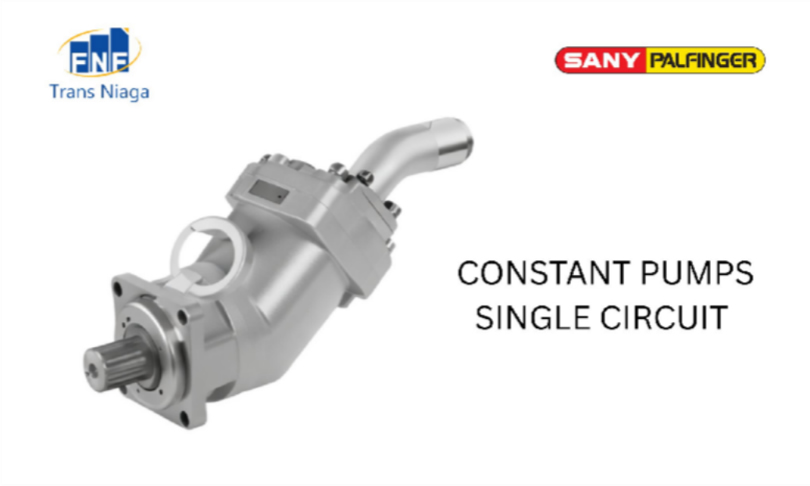
- Constant Pumps
Provide a fixed flow rate; simple and cost-effective.
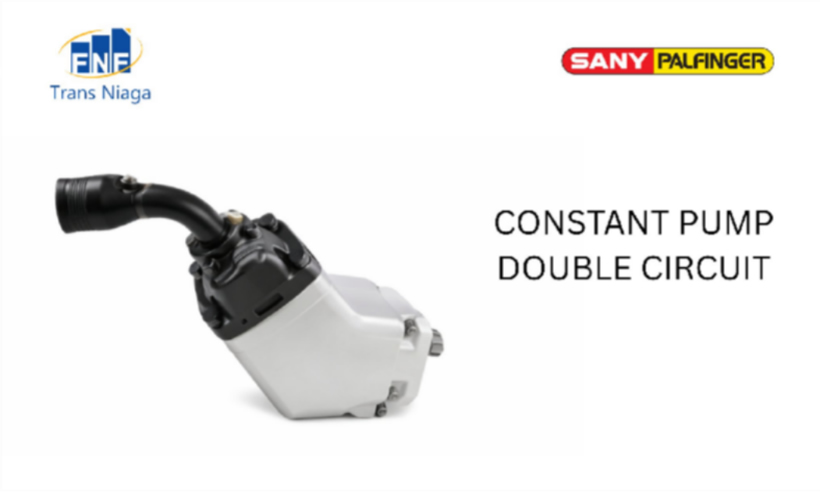
- Double Circuit Pumps
Suitable for multi-function operations, improving workflow efficiency.
- Load Sensing Pumps
Adjust flow based on load demand, reducing energy consumption and improving efficiency.
Importance of Hydraulic System Design
A well-designed hydraulic system directly impacts:
- Overall crane
- Energy and fuel
- Component
- Operational
Poor system design or improper component selection can reduce operational efficiency, accelerate component wear, and increase the risk of hydraulic system failure.
The hydraulic system is more than a supporting component—it is the driving force behind crane performance. Proper system design, the right pump selection, and routine maintenance are essential to achieving safe, efficient, and reliable operation throughout the crane’s service life.
Maintain your crane’s hydraulic system at peak performance with high-quality components and professional engineering support from Sany Palfinger.
Contact us to discuss your equipment requirements with our team of experts. We’ll help you find the most efficient, reliable, and application-specific solution for your operations.

