
Cranes are highly complex heavy equipment that operate under significant loads and pressure. Without proper and planned routine maintenance, unit performance can gradually decline, increasing the risk of operational disruptions and workplace accidents.
Routine maintenance is not merely an administrative requirement—it is a critical strategy to maintain performance, extend equipment lifespan, and ensure safety on site. Below are the recommended types of crane maintenance:
1. Pre-Use Inspection (Daily Inspection)
Daily inspections are conducted by operators before the crane is put into operation. This step aims to detect potential issues early before the unit is used for lifting activities.
Inspection includes:
- Condition of wire rope and hook
- Visual checks for hydraulic leaks
- Basic operation and control functions
- Condition of outriggers and supporting components
This simple step is highly effective in preventing more serious issues in the future.
2. Preventive Maintenance
Preventive maintenance is performed periodically based on operating hours (hour meter) or specific time intervals, such as monthly or annually. Activities typically include:
- Replacement of hydraulic oil and filters
- Checking and tightening bolt torque
- Lubrication of bearings and moving components
- Calibration of safety systems
Preventive maintenance helps maintain stable performance and minimizes the risk of unexpected downtime during projects.
3. Periodic Thorough Inspection
A comprehensive inspection is carried out by professional technicians every 6 months or annually, depending on equipment usage intensity. This process includes:
- Detailed inspection of the main structure and boom
- Measurement of wear levels on critical components
- Load testing to ensure crane safety
Thorough inspections ensure that the crane continues to meet safety standards and remains operationally reliable.
4. Condition-Based Maintenance
This approach utilizes monitoring technology to detect potential failures before they occur. Common methods include:
- Vibration analysis to monitor mechanical conditions
- Thermal imaging to detect overheating in electrical or hydraulic systems
By relying on real-time equipment conditions, companies can take more targeted and efficient maintenance actions.
Well-Maintained Equipment Starts with Trained Operators
All maintenance programs will only be effective when supported by operators who understand proper operating and inspection procedures. Operators are not just users—they are the first line of defense in detecting potential issues.
Therefore, improving operator competence through technical training is a strategic step in maintaining crane performance and safety. Professional training enables operators to understand inspection standards, safe operating techniques, and early signs of equipment failure.
With a combination of disciplined maintenance and well-trained operators, your crane will always be in optimal condition—ready, safe, and productive.
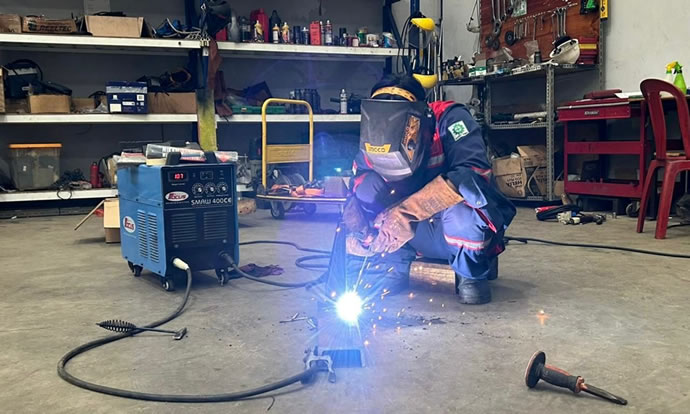
Trust Your Crane Service to Professionals
Crane maintenance and repair require experienced technicians, proper tools, and strict adherence to safety standards. Professional service not only resolves issues but also ensures operational continuity, enhances workplace safety, and maximizes your equipment investment.
Keep your crane in top condition, because safety and productivity begin with well-maintained equipment. Don’t wait until minor issues escalate and disrupt your project progress.
???? Contact FNF Trans Niaga Service Hotline today
???? FREE consultation for inspection, maintenance, and repair
???? Schedule your service now to keep your equipment always readyFNF Trans Niaga — Your Professional Heavy Equipment Service & Maintenance Solution

