

Optimal heavy equipment performance is key to smooth project execution in construction, mining, and logistics. Minor issues left unattended can escalate into downtime, delays, and costly repairs — making routine maintenance essential for both owners and operators.
So, what does it take to keep your equipment in top condition?
1. Perform Routine Inspections
Routine inspection is the foundation of proper equipment maintenance. Before each operation, check that critical components are in good condition:
- Engine and hydraulic oil
- Fuel and coolant levels
- Electrical system
- Hydraulic hoses and connections
Regular inspections prevent major failures and extend equipment lifespan. For accurate assessment, consider using a professional inspection service.
2. Use Trained Operators
Experienced operators understand how to operate equipment according to safety standards and manufacturer specifications. Improper operation can accelerate component wear and reduce machine performance.
Operator training is a long-term investment in both efficiency and workplace safety.
3. Implement Preventive Maintenance
Scheduled maintenance must be carried out consistently, including:
- Oil and filter replacement
- Hydraulic system checks
- Engine inspections
Preventive maintenance helps:
- Reduce the risk of unexpected breakdowns
- Lower major repair costs
- Maintain stable equipment performance
4. Use Genuine Spare Parts
Spare part quality directly impacts equipment performance. Genuine components are built to manufacturer standards, offering better quality and durability. Low-quality or incompatible parts, on the other hand, risk further damage and higher operational costs.
5. Operate Within Equipment Capacity
Every piece of heavy equipment has defined capacity and function limits. Overloading or improper use accelerates wear and reduces efficiency. Always operate according to the manufacturer’s technical recommendations to maintain optimal performance.
6. Use Professional Service Support
Professional heavy equipment service ensures that all components are handled by experienced technicians using proper tools and standards.
This results in:
- Faster and safer repairs
- More efficient maintenance processes
- Extended equipment lifespan
- Improved project productivity
7. Keep Service and Operation Records
Maintaining detailed service records helps monitor equipment condition and plan future maintenance. Accurate records are essential for:
- Performance evaluation
- Better technical decision-making
- Efficient asset management
Don’t let equipment failure derail your project. Routine inspections, preventive maintenance, proper operation, and professional service support are all it takes to keep your equipment at peak performance and your project on track.
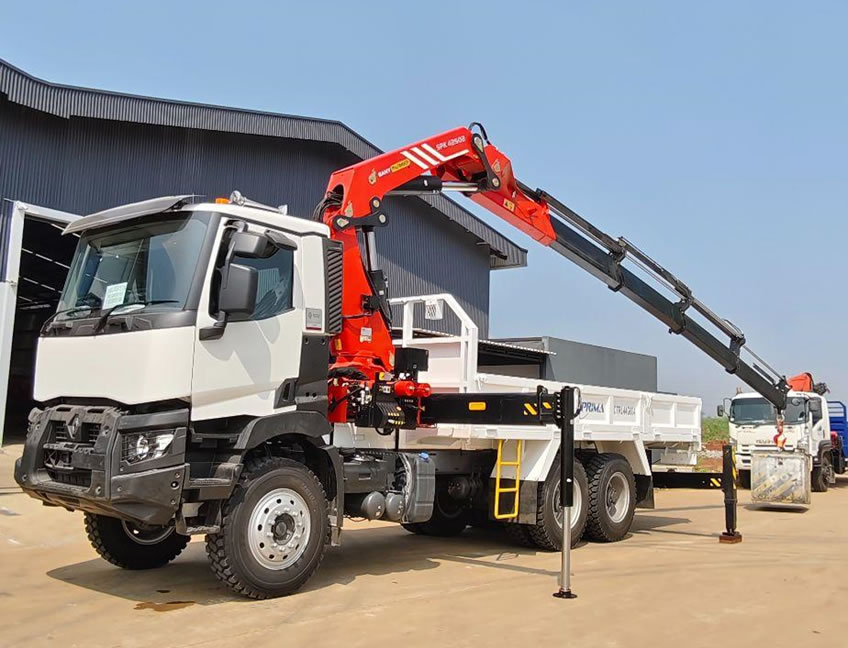
Need Heavy Equipment Service & Maintenance?
Avoid costly downtime and unexpected breakdowns. Contact our Service Hotline for professional heavy equipment service.
FREE consultation available — schedule your service now and ensure your equipment is always ready to perform.

