
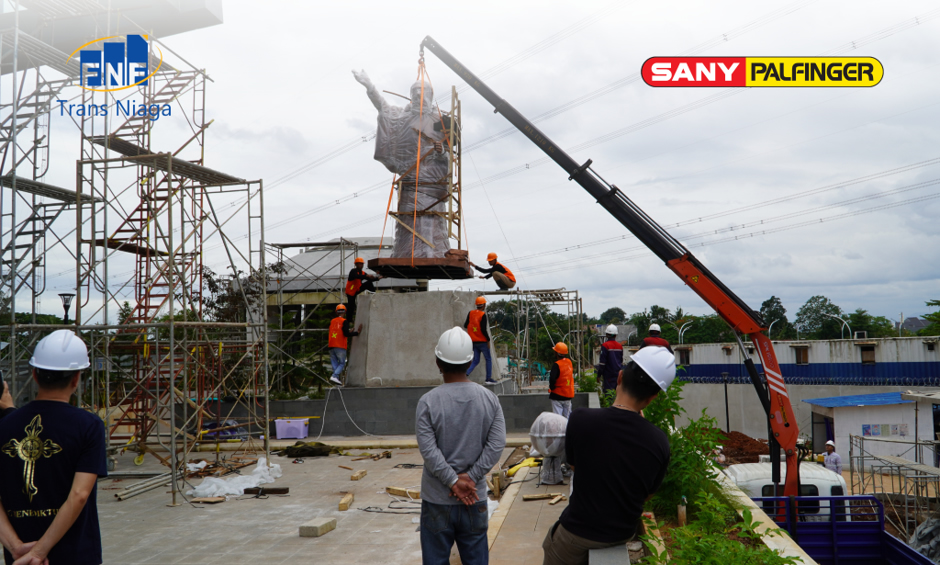
In lifting operations, safety is not merely a priority, it is a fundamental requirement. A lifting failure can lead not only to material damage, but also to serious injuries, project delays, and significant financial losses. Therefore, implementing proper lifting safety and operational safety procedures is essential in every crane operation.
What Are Safety Lifting and Safety Operation?
Safety lifting refers to safety procedures specifically related to lifting activities, from planning and rigging to the lifting process itself until the load is safely placed in position.
Safety operation covers the broader aspects of operating heavy equipment safely, including operator readiness, equipment condition, work environment, and effective communication among team members.
Both are essential to ensure lifting operations are carried out safely, efficiently, and in accordance with operational standards.
Risks If Safety Procedures Are Ignored
Without proper safety procedures, lifting operations may cause:
- Dropped or unstable loads
- Crane overload or tipping
- Equipment and material damage
- Serious injuries or fatalities
- Project delays
- Financial losses
This is why proper preparation before lifting is extremely important.
What Must Be Prepared Before Lifting?
1. Lifting Plan
Before any lifting activity, a proper lifting plan must be prepared:
- Determine load weight and dimensions
- Select the appropriate crane capacity
- Decide lifting method
- Identify lifting points
- Calculate lifting radius and check the load chart
Good planning prevents overloading and unsafe lifting positions.
2. Equipment Inspection
Always perform pre-use inspection:
- Check crane condition (boom, wire rope, hydraulic system)
- Inspect hook, sling, and lifting accessories
- Ensure safety devices are working properly
- Make sure there is no damage or excessive wear
Never operate lifting equipment without inspection.
3. Work Area Condition
The lifting area must be safe and prepared:
- Ground must be stable and level
- Ensure no obstacles around the lifting area
- Watch for overhead power lines
- Secure and isolate the working area
- Check weather conditions (avoid strong wind)
Unsafe ground conditions are one of the main causes of crane accidents.
4. Team Readiness
A lifting operation is a team activity. The team usually consists of:
- Crane operator
- Rigger
- Signalman / banksman
- Supervisor
Before lifting:
- Conduct toolbox meeting
- Ensure communication signals are clear
- Confirm everyone understands the lifting plan
- Only authorized personnel are allowed in the lifting area
Good communication is one of the most important factors in safe lifting.
5. Personal Protective Equipment (PPE)
All personnel involved must wear proper PPE:
- Safety helmet
- Safety shoes
- Gloves
- Reflective vest
- Safety harness (if working at height)
No PPE, no work.
Basic Principles of Safe Lifting Operation
Always remember these safety principles:
- Never exceed crane capacity
- Always follow the load chart
- Maintain clear communication
- Keep a safe distance from suspended loads
- Never stand under a suspended load
- Stop operation if unsafe conditions occur
If it’s not safe, don’t lift.
The success of a lifting operation is determined not only by the equipment used, but also by the discipline in applying proper safety procedures. With careful planning, a competent team, and strict adherence to lifting safety standards, risks can be minimized while maintaining project productivity.
In line with this commitment, FNF Trans Niaga fully supports the implementation of Occupational Health and Safety (OHS) across all operations. For FNF, safety is not merely a procedure, but a culture that must be consistently upheld by every individual on site.
This commitment is reflected in every lifting activity, where safety lifting principles are applied with discipline; from lifting plan preparation and equipment inspection to on-site execution. Through this approach, FNF not only ensures operational efficiency, but also protects its team and supports the creation of a safe working environment in pursuit of zero accidents.

